Hello!
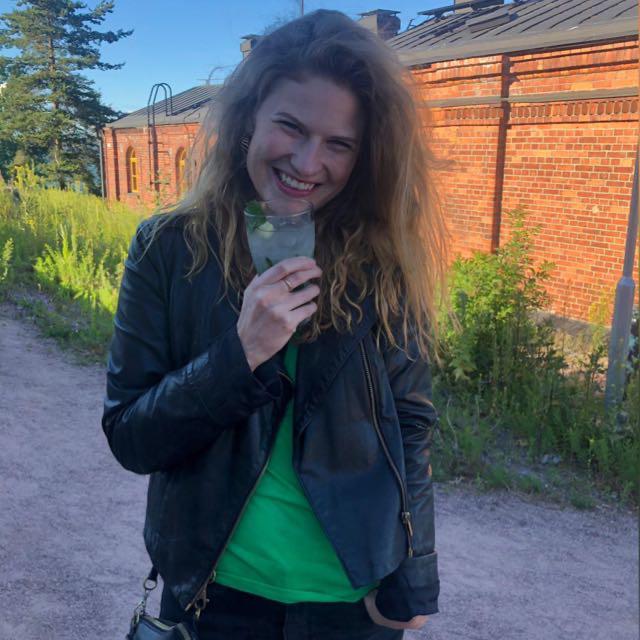
I'm Dagmar
I didn't start by studying how systems change. I started by surviving them.
Before I ever had language for “systems,” I felt their impact.
I grew up under a totalitarian regime in a family that didn’t support it. When I was eight, I refused a compulsory Pioneer pledge and was punished — locked alone in a classroom for a day. It was an early lesson in how systems maintain order: through rituals of belonging, consequences for dissent, and the quiet fear of standing apart. Similar dynamics kept repeating throughout high school, university, and later in workplaces.
My experience turned me into a rebel. I saw unfairness clearly and refused to play along. But being outside relationship is a lonely place. Over time, I began to see that pushing against the system could keep me just as stuck as fitting in. So I looked for different ways to make change possible and decided to study psychology. I was fascinated by human potential and determined to understand what it takes for people to grow beyond the limitations placed on them.
Experience forced me to see what the usual explanations hadn’t named.
I entered the corporate life.
I spent more than 20 years in corporate environments, many of them at executive and board level. Besides HR and operations, I was responsible for culture during mergers and other high-stakes change. Alongside this, I taught psychology, HR, and adult education at university level.
On paper, I had the right tools: several degrees, multiple coaching certifications, and proven methods. And yet, in complex organizational reality, something didn’t add up. Despite everyone’s good intentions, capabilities, and sound strategy, the same issues resurfaced with different people. Conflicts returned. Change efforts stalled. My training in individual change work helped, but it slowly became clear that it was reaching its limits.
Often, the issue wasn’t a lack of skills, mindset, or motivation. I sensed something else was shaping what was happening. That’s when my work slowly shifted from personal change alone to how the system around people shapes their behavior and available choices.
I started to pay closer attention to patterns, power, belonging, and the invisible rules shaping outcomes, and to train in systemic approaches. This didn’t replace my earlier work — it expanded it.
This isn't theory for me.
That shift was tested in real time when, as CHRO, I lead cultural transformation, post-merger integration, and the disentangling of two companies during the uncertainty of the COVID period.
Another layer of learning came when I relocated to the Netherlands and stepped into a new family system.
Navigating immigration and step-parenting brought the same tricky dynamics into daily life — roles, belonging, loyalties, unspoken expectations, and pressure. At times, it was tempting to see this as a personal struggle or assume I was the problem. Instead, it sharpened my awareness of how systems quietly shape experience and challenged me to stay connected without over-carrying what wasn’t mine.
These experiences made one thing clear: What looks personal is often a position in a larger system — and when that position shifts, the whole system can move.
This isn’t only true in families or organizations. It’s how living systems function. Take a beehive. It’s a finely balanced ecosystem where stability comes from how roles and relationships work together, not from individual effort alone.
I founded Bee Balanced on the same principle: when balance is restored within a human system, people function with less strain and change unfolds more naturally.
Today, I partner with leaders and organizations when complexity rises — during change, growth, or strain. Rather than working on individuals in isolation, I help surface and shift the patterns, roles, and dynamics already shaping the system, so change can move with less force and more alignment.
When you shift how you stand in the system, the system begins to shift with you.
I’m here to help you lead from that place.

Single-session
The Breakthrough Intensive
When something in your leadership world feels harder than it should — looping, stalling, or quietly draining you — this focused session helps you see the system you’re inside of with fresh clarity. We map the hidden dynamics, name the role you’ve been pulled into, and identify the next grounded move that becomes possible from there.

1:1 guidance
The Leadership Reset
Systemic 1:1 coaching for seasoned leaders navigating complexity, pressure, and invisible responsibility. This work helps you shift from over-functioning to grounded authority, see the systemic patterns shaping your leadership, and make decisions from a position that is clearer, more sustainable, and truly your own.

Systemic change
Future-Ready Teams & Organizations
Systemic partnership for CEOs, senior teams, and organizations at turning points. Together we work with the situations already on your plate — preparing for key conversations, developing the maturity of a senior team, deepening trust, navigating resistance and tension, and building the collective capacity required for what’s next. The aim is leadership that holds at group level.
“My confidence grew significantly”
I reached out during a period of significant change and scale in my business. Holding multiple positions during this transition was incredibly challenging, and I needed support navigating that complexity. What stood out about Dagmar is that she is a thoughtful ally, her values clearly aligned with mine and she's also not afraid to challenge. My confidence in addressing challenges grew significantly, but also my understanding and perspective of the journey I'm on. We've been able to identify real opportunities while closing down others that felt driven by vanity rather than impact. If you're trying to create impact in the world without having a detrimental impact on yourself or your teams, it's really worth working with her—particularly if you're at a high-growth or pivotal stage of your business development.
“A safe space that helped me step into leadership with confidence and clarity”
I met Dagmar at the perfect moment — right after my promotion to senior manager. The coaching journey with her was truly transformative. She gave me the tools, insights, and confidence to step into my new role with clarity and purpose. Most of all, she created a safe, inspiring space where I could reflect, grow, challenge myself — and even talk openly about things that once seemed taboo.
“Culture Detox Has Been a Turning Point”
This book has been a turning point and a reminder that I have a choice. I was feeling hopeless — trapped in a system I thought I couldn't change — until I started reading. Within just a day, I felt empowered to act. It created a real ripple effect, shifting perspectives in my workplace. This book doesn't just inspire change — it transforms.

“I stopped believing I wasn’t important — and started showing up as I am.”
Activator opens your eyes to the different roles you play in various systems. It encourages you to reflect on who you truly are beyond these roles, which you might have mistaken for your identity.
For example, I had long believed I wasn’t important at work and shouldn’t bother anyone. And for as long as I can remember, I was afraid to express my needs. But around day 5, something shifted almost unconsciously. I woke up and suddenly realized that I am important. I even added “important” to an email — something I’d never done before. I’ve also started speaking up more and asking questions I used to consider "stupid."
The course is presented naturally, with short daily videos and a beautifully designed app. You reflect daily by writing down your thoughts, and weekly through creative exercises. It all creates a harmonious, soothing, and safe atmosphere.
READY TO LOOK AT YOUR SITUATION WITH FRESH EYES?
Let's Connect
This is a free 30-minute call to explore what’s going on in your leadership world and whether working together would make sense.
We’ll touch on your current context, what feels important right now, and what kind of support might be useful. It’s also a chance to get a feel for each other and see if there’s a good fit.
No pressure, no fixing, just an honest conversation.

Free e-book: Culture Detox
See the patterns shaping your work
Your guide to understanding the invisible dynamics behind toxic work cultures
You’ve likely felt it before — the unspoken rules that shape how people behave at work. Who gets heard. Who stays quiet. What’s rewarded. What’s silently punished.
Culture Detox helps you see those patterns for what they are: systemic dynamics that influence leadership, decision-making, and how power moves inside organizations.
This isn’t a book about fixing yourself. It’s about recognizing the wider field you’re operating in — so you can lead and contribute to change with far more clarity and less self-blame.
You don’t get a teaser or an extract. You get the full book — because these insights are meant to be used, shared, and brought into real conversations about work and leadership.
© 2026 Dagmar Suissa. Privacy Policy. Terms & Conditions. Cookies. Bee Balanced Advisory is a company founded by Dagmar Suissa, registered with the Netherlands Chamber of Commerce. Registered office: 1e Dorpstraat 20, 3701 HB Zeist.
Business ID: 99850362
VAT: NL005413863B55. Design by Carol Hampshire